Arrange up to 20 images
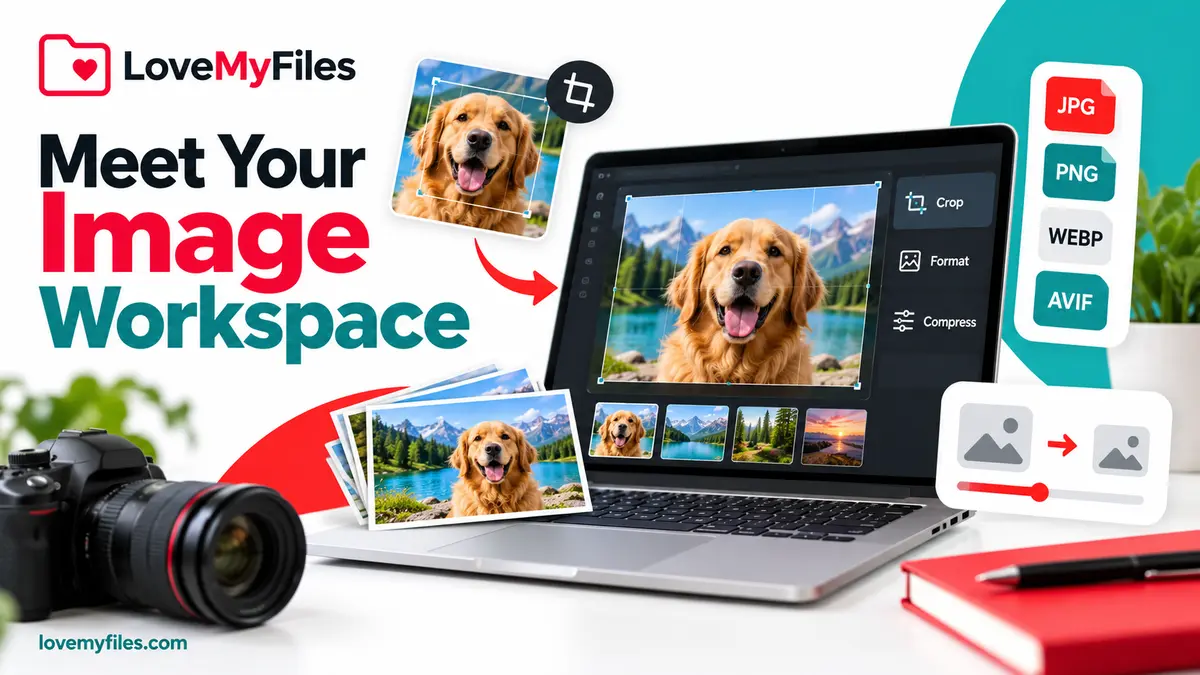
Add JPG or PNG images, preview their order, and drag or move thumbnails before creating the PDF.
This file transfer is unavailable or has expired. Select your file here to continue.
Convert 1 to 20 JPG or PNG images into one PDF. Arrange image order and choose page size, orientation, and margins online.
Build one ordered PDF from photos, scans, receipts, or other JPG and PNG images.
Add JPG or PNG images, preview their order, and drag or move thumbnails before creating the PDF.
Use A4, Letter, or fit-to-image pages with automatic, portrait, or landscape orientation.
Choose no, small, or large margins to prepare a clean document for viewing, printing, or sharing.
LoveMyFiles accepts JPEG and PNG images for this workflow. Each image becomes a page in one PDF, in the image order you choose.
Select the images, check their previews and place them in the intended reading order. For a photographed document, start with its first page rather than relying on camera filenames. Remove an accidental duplicate before submitting.
Select A4, Letter or the image-fit setting according to the purpose of the PDF. Automatic orientation follows whether an image is wider or taller. Portrait or landscape can be chosen when you need a consistent page direction.
The image is scaled proportionally and centered inside the available page area. Margins leave space around it, but they also reduce the area available for small text. Check a converted page at normal reading size before printing or uploading it.
A single PDF can keep a sequence of images together, but preparation still determines whether the pages are useful.
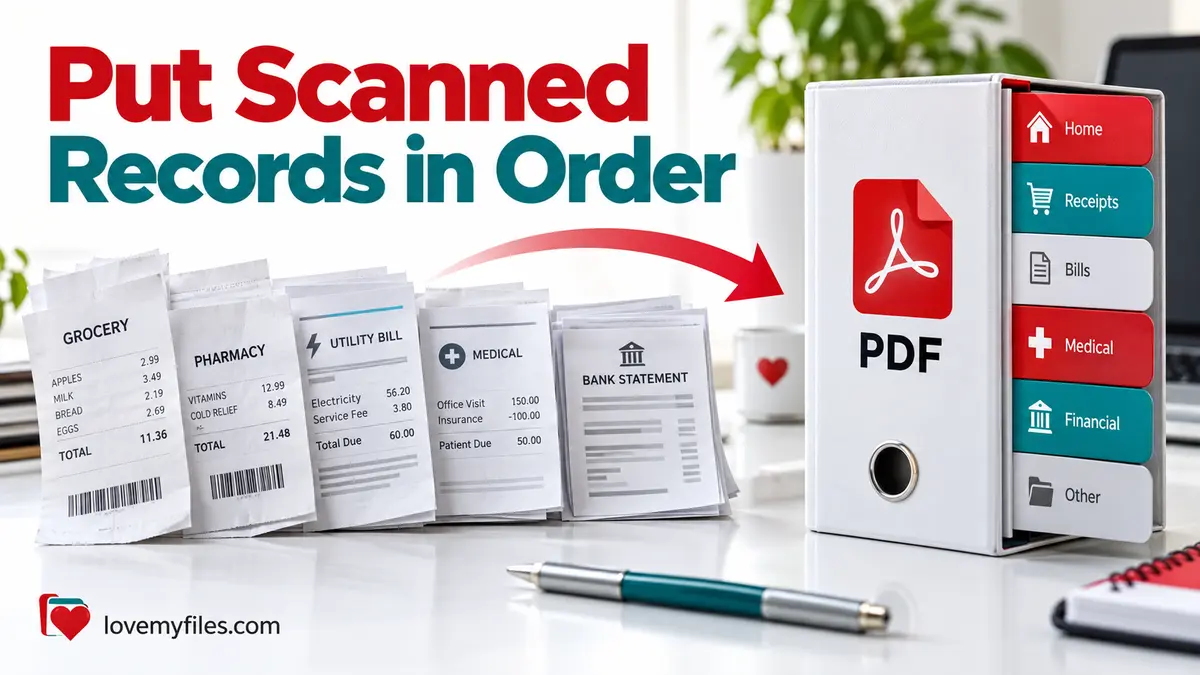
Photograph the complete receipt in good light, keeping totals and dates readable. Arrange receipts in the order used in the expense report. Creating a PDF does not recognize the receipt text or calculate its figures.
Use a sharp image with every required edge visible. Conversion does not correct perspective or remove shadows from a photograph. If a field cannot be read in the source image, putting it into a PDF will not restore that information.
Convert the photographs first, review the resulting PDF, then merge it with your existing document. This is useful when an application has a PDF form and supporting records saved as images.
Merge your converted image PDFChanging the file format does not automatically improve image detail or make a scan searchable.
JPG to PDF places image content on PDF pages. It does not create editable text or perform OCR. If you need text recognition, use the separate OCR workflow and review its result for recognition errors.
Explore PDF text recognitionHigh-resolution photographs can create a large PDF. After checking the converted pages, try Compress PDF if a recipient has a file-size limit. Inspect the smaller copy to ensure small print remains legible.
Reduce the converted PDF sizePage orientation and the direction of photographed text are different. A wide image may still show sideways writing. Rotate the converted PDF page if needed, then reopen the download to confirm the saved direction.
Rotate the converted pagesPractical answers about using this tool, retrieving the result, and handling your files.
You can add 1 to 20 JPG or PNG images, arrange their order, choose page settings, and create one PDF.
Yes. Drag thumbnails to reorder the images, or use the move controls on each image card.
Choose A4, Letter, or fit to image, then select automatic, portrait, or landscape orientation and a margin size. A4 and Letter are useful when you need consistent paper-sized pages; fit to image follows the picture dimensions. Check the preview when mixing tall and wide photos, and choose an orientation that keeps the content readable. Creating a PDF does not make photographed text editable.
Files are stored outside the public web directory, and downloads require the matching account or guest job identity. Guest files expire within 5 minutes, free account files within 2 hours.